Why Data Center Noise Matters
Data center noise is more than just an annoyance—it’s a serious workplace health concern that affects IT professionals across Bangladesh. Whether you’re managing a small server room in Dhaka’s Motijheel commercial district or overseeing a large data center in Gazipur, excessive noise can lead to hearing damage, increased stress levels, and reduced productivity among your staff.
In Bangladesh’s growing IT sector, where data centers are becoming increasingly common in major cities like Dhaka, Chittagong, and Sylhet, understanding and managing noise levels is essential. Prolonged exposure to noise levels above 85 decibels can cause permanent hearing loss, while even moderate noise levels between 70-85 decibels can lead to fatigue, difficulty concentrating, and increased error rates among technicians.
Beyond health concerns, there are practical business reasons to address data center noise. The Bangladesh Labour Act requires employers to provide safe working environments, and while specific noise regulations for data centers are still developing, international standards recommend keeping occupational noise exposure below 85 decibels for an 8-hour workday. Reducing noise also improves employee satisfaction and can help attract and retain skilled IT professionals in Bangladesh’s competitive job market.
Understanding Data Center Noise Sources
Before you can effectively reduce noise in your data center, you need to understand where it comes from. The typical data center in Bangladesh faces several common noise sources.
Server cooling fans are usually the biggest culprits. As servers process data, they generate heat, and cooling fans work constantly to prevent overheating. In Bangladesh’s hot and humid climate, where temperatures regularly exceed 30°C during summer months, these fans often run at maximum speed, creating a constant roar that can reach 75-80 decibels or higher.
HVAC systems add another layer of noise. Air conditioning units, essential for maintaining optimal server temperatures in Bangladesh’s tropical climate, contribute significantly to overall noise levels. The compressors, fans, and air handlers in these systems can produce 70-85 decibels of noise, especially in facilities using older or poorly maintained equipment.
Traditional hard disk drives, particularly in older server configurations, generate mechanical noise as their spinning platters and moving read/write heads operate. While individual drives may seem quiet, a server rack filled with dozens of spinning drives creates a cumulative buzzing and whirring sound that adds to the overall noise pollution.
Power distribution units, UPS systems, and transformers also contribute to data center noise through their cooling fans and the electromagnetic hum they produce during operation. This is particularly noticeable in facilities with older electrical infrastructure, which is common in many Bangladeshi buildings.
Acoustic Assessment: Measuring Your Noise Levels
The first step in reducing data center noise is understanding your current situation. You need to measure the actual noise levels in your facility to identify problem areas and track improvements over time.
Fortunately, measuring noise levels doesn’t require expensive equipment. Several smartphone apps can provide reasonably accurate decibel measurements, though for professional assessments, dedicated sound level meters are preferable. You can find basic sound level meters in Dhaka’s electronics markets like Multiplan Centre or Stadium Market for 3,000-8,000 taka, while professional-grade meters cost 15,000-50,000 taka.
When measuring noise levels, take readings at multiple locations throughout your data center. Measure at workstations where technicians spend time, near server racks, in cooling system areas, and at entry points. Take measurements at different times of day, as noise levels may vary with server loads and cooling demands.
Document your findings by creating a noise map of your facility. Mark areas that exceed 85 decibels (requiring immediate attention), zones between 70-85 decibels (where extended exposure should be limited), and quieter areas below 70 decibels. This map will help you prioritize your noise reduction efforts and allocate your budget effectively.
Pay special attention to identifying your loudest equipment. Walk through your facility with your measurement device and note which specific servers, racks, or HVAC units produce the highest noise levels. These are your primary targets for noise reduction interventions.
Strategic Equipment Placement for Noise Reduction
One of the most cost-effective ways to reduce noise exposure is through smart equipment placement. You don’t always need to eliminate noise at its source—sometimes you just need to put distance between noisy equipment and the people who work in your facility.
If your facility layout permits, dedicate separate rooms or enclosed areas for the noisiest equipment. In many Bangladeshi office buildings, data centers share space with regular office areas, but whenever possible, isolate server rooms from workspaces where staff spend extended periods. Even a simple wall between your server area and administrative offices can reduce noise transmission significantly.
Create acoustic zones within your data center based on noise levels and access requirements. Place equipment that requires frequent access and maintenance in quieter zones, while relegating the noisiest servers and cooling equipment to restricted-access areas where staff only enter briefly for specific tasks.
Consider vertical placement strategies as well. In facilities with limited floor space, which is common in Dhaka’s crowded commercial districts, using vertical server racks can help concentrate noise in specific areas rather than spreading it throughout the facility. Wall-mounted cabinets can keep noisy equipment elevated and away from ear level.
Position your cooling system exhaust away from workstations and entry points. The hot air expelled by HVAC systems carries significant noise, so directing these exhaust vents toward exterior walls or dedicated exhaust areas reduces noise in occupied spaces.
Sound Dampening Materials and Acoustic Panels
Sound dampening materials can significantly reduce noise levels by absorbing sound waves rather than allowing them to bounce around your facility. These materials are particularly effective in Bangladesh’s data centers, where concrete walls and tile floors create highly reflective surfaces that amplify noise.
Acoustic foam panels are among the most affordable and effective solutions. These panels, typically made from polyurethane or melamine foam, absorb mid to high-frequency sounds. You can install them on walls near the noisiest equipment or throughout your facility for comprehensive noise reduction. While imported acoustic panels can be expensive, locally manufactured options are available in Dhaka’s construction material markets for 200-800 taka per square foot, making them accessible for businesses of all sizes.
Acoustic ceiling tiles or suspended acoustic panels can address noise that travels upward and reflects off hard ceiling surfaces. In facilities with high ceilings, hanging baffles or clouds made from sound-absorbing materials can trap noise before it spreads throughout the space. These are particularly useful in converted warehouse spaces or older buildings commonly used for data centers in Bangladesh’s industrial areas.
Wall insulation provides another layer of noise reduction. If you’re building a new data center or renovating an existing one, consider adding sound insulation within walls separating server rooms from office areas. Materials like mineral wool or fiberglass insulation not only reduce noise transmission but also provide thermal insulation, which can help reduce cooling costs in Bangladesh’s hot climate.
Don’t overlook the floor. Rubber mats or acoustic underlay beneath server racks can reduce vibration transmission through the floor, which often carries noise to adjacent rooms or floors below. This is especially important in multi-story buildings where data centers occupy upper floors.
Soundproof Server Cabinets and Enclosures
Soundproof server cabinets represent one of the most effective targeted solutions for noise reduction. These specialized enclosures contain noise at its source, preventing it from spreading throughout your facility.
Acoustic server racks feature sound-dampening materials built into their walls, doors, and panels. The cabinets typically include perforated metal exteriors lined with acoustic foam or other sound-absorbing materials. Quality acoustic cabinets can reduce noise emissions by 10-30 decibels, transforming a deafening 85-decibel server rack into a much more manageable 55-70 decibel source.
The key advantage of soundproof cabinets is their ability to provide significant noise reduction without requiring facility-wide modifications. This makes them ideal for businesses in Bangladesh operating in leased spaces where major renovations aren’t feasible or cost-effective.
However, ventilation is a critical consideration when using enclosed server cabinets in Bangladesh’s hot climate. Soundproof cabinets must include adequate airflow pathways to prevent heat buildup, which can damage equipment and reduce server performance. Look for cabinets with built-in cooling fans, ventilation baffles that allow airflow while blocking sound, and temperature monitoring systems.
When selecting acoustic server cabinets, consider both front and rear access requirements. Cabinets with sound-dampened doors on both ends provide maximum noise reduction while maintaining accessibility. Ensure the cabinet’s cooling capacity matches your server’s heat output—this is especially important in Bangladesh, where ambient temperatures can exceed 35°C during peak summer months.
While acoustic server cabinets may cost 50,000-300,000 taka depending on size and features, they’re often more cost-effective than facility-wide soundproofing, especially for small to medium-sized data centers common in Bangladesh’s SME sector.
Optimizing Cooling Systems to Reduce Fan Noise
Cooling systems are often the loudest components in any data center, but with proper optimization, you can significantly reduce their noise output without compromising server safety.
Start by adjusting fan speeds and temperature thresholds in your server BIOS or management software. Many servers default to conservative temperature settings that cause fans to run faster than necessary. By slightly raising acceptable temperature thresholds within safe operating ranges (typically 18-27°C for most servers), you can reduce fan speeds and noise levels. This approach requires careful monitoring to ensure servers don’t overheat, but it can reduce fan noise by 5-15 decibels.
Consider upgrading to quieter cooling solutions. Modern variable-speed fans adjust their RPM based on actual cooling needs, running slower and quieter during periods of lower server load. While initial costs may seem high, these upgrades often pay for themselves through reduced electricity consumption, which is particularly valuable given Bangladesh’s rising electricity costs.
Implement hot aisle and cold aisle containment strategies. By organizing server racks so that cold air intakes face one direction and hot air exhausts face the opposite direction, you improve cooling efficiency. This allows your HVAC system to work less aggressively, reducing both noise and energy consumption. Many data centers in Dhaka and Chittagong have successfully implemented this approach with minimal investment, simply by reorganizing existing equipment.
Regular maintenance of your cooling systems is essential in Bangladesh’s dusty environment. Dust accumulation on fans, filters, and heat exchangers forces cooling systems to work harder and run louder. Schedule monthly cleaning of filters and quarterly professional maintenance of HVAC systems to maintain optimal, quiet operation.
If your facility uses portable or window AC units, consider upgrading to split systems with outdoor compressors. Moving the noisiest component outside your facility can dramatically reduce indoor noise levels, though this requires building modifications that may not be feasible in all Bangladeshi commercial spaces.
Upgrading to Quieter Hardware
Sometimes the most effective noise reduction comes from replacing noisy equipment with quieter alternatives. As you plan equipment upgrades and replacements, prioritize quiet operation alongside performance specifications.
Solid-state drives are significantly quieter than traditional spinning hard drives. SSDs have no moving parts, eliminating the mechanical noise associated with HDDs. While SSDs were once prohibitively expensive in Bangladesh, prices have dropped considerably, with basic models now available for 4,000-8,000 taka per terabyte. For servers requiring frequent access or housing operating systems and applications, SSDs provide both performance improvements and noise reduction.
When purchasing new servers, compare noise specifications. Manufacturers typically list noise levels in their technical specifications, measured in decibels or bels. A difference of even 3-5 decibels between models represents a noticeable reduction in perceived noise. Enterprise-grade servers designed for office environments often prioritize quiet operation over maximum cooling capacity, making them suitable for facilities where noise is a concern.
Low-noise server components are increasingly available. Aftermarket CPU coolers, case fans, and power supplies specifically designed for quiet operation can replace noisy stock components. Computer markets in Dhaka’s Elephant Road or Multiplan Centre stock various quiet cooling solutions, though you may need to order specialized components online.
Fanless and passive cooling options work well for less demanding servers or edge computing applications. These systems use large heatsinks to dissipate heat without fans, eliminating mechanical noise entirely. However, their cooling capacity is limited, making them unsuitable for high-performance servers in Bangladesh’s hot climate unless used in heavily air-conditioned environments.
When budgeting for hardware upgrades, calculate the total cost of ownership including energy savings and reduced cooling requirements. Newer, quieter equipment typically consumes less power and generates less heat, potentially offsetting higher initial costs through lower operating expenses over three to five years.
Vibration Control and Isolation Techniques
Vibration often goes unnoticed as a noise source, but it significantly contributes to overall data center noise levels. Equipment vibrations transmit through floors, walls, and racks, creating structure-borne noise that can be difficult to eliminate once it spreads.
Anti-vibration mounts and pads provide a simple, cost-effective solution. These rubber or neoprene pads placed under server racks, HVAC units, and other equipment absorb vibrations before they transfer to building structures. You can find basic anti-vibration pads in Bangladesh’s hardware stores for 500-2,000 taka per set, making them one of the most affordable noise reduction investments.
For particularly problematic equipment, consider spring-based isolation mounts. These more sophisticated systems use springs and dampers to virtually eliminate vibration transmission. While more expensive at 5,000-15,000 taka per unit, they’re worthwhile for the noisiest equipment, especially if your data center is located above or adjacent to office spaces.
Examine how equipment is mounted to racks and floors. Loose mounting hardware creates rattles and amplifies vibrations. Tighten all mounting bolts and screws, and consider using rubber washers or grommets to reduce metal-to-metal contact points that transmit vibration.
Pay attention to cable management as well. Cables rubbing against metal surfaces or pulled taut between vibrating equipment can create additional noise. Use cable ties and management arms to secure cables away from vibration sources and prevent them from acting as noise transmission paths.
In multi-story buildings, which house many of Dhaka’s data centers, floor isolation becomes critical. If your data center is above occupied spaces and vibration noise is problematic for occupants below, installing a floating floor system with vibration-isolating materials underneath can dramatically reduce noise transmission to lower floors.
Maintenance Practices That Minimize Noise
Proper maintenance is essential for keeping noise levels under control. Well-maintained equipment runs more efficiently and quietly, while neglected equipment becomes progressively louder over time.
Regular cleaning should be your first priority in Bangladesh’s dusty environment. Dust accumulation on server fans, heat sinks, and air filters forces cooling systems to work harder and run faster, increasing noise levels. Establish a monthly cleaning schedule that includes vacuuming server racks, cleaning or replacing air filters, and using compressed air to remove dust from heat sinks and fans. Local computer service providers in Bangladesh typically charge 2,000-5,000 taka per rack for professional cleaning services.
Monitor and replace worn or noisy components promptly. Fans bearing wear out over time, causing them to become louder and less efficient. If you notice a particular fan becoming noisier, replace it before it fails. Replacement fans are readily available in Bangladesh’s computer markets, typically costing 500-3,000 taka depending on size and quality.
Keep firmware and BIOS updated for optimal fan control. Manufacturers regularly release updates that improve fan control algorithms, allowing systems to run quieter while maintaining adequate cooling. Check manufacturer websites quarterly for firmware updates, and test them in non-critical systems before deploying facility-wide.
Maintain proper airflow throughout your facility. Blocked vents, obstructed air intakes, and cluttered areas around cooling equipment force systems to work harder and louder. Ensure at least 6 inches of clearance around equipment air intakes and exhausts, and keep aisles clear of stored materials.
Document baseline noise levels for each piece of equipment when it’s new and properly maintained. This allows you to identify when equipment becomes noisier than normal, indicating potential problems before they lead to failures. A simple spreadsheet tracking monthly decibel readings for each rack or major equipment item provides valuable early warning of maintenance needs.
Creating Noise Barriers and Separation Walls
Physical barriers between noisy equipment and occupied spaces provide substantial noise reduction, especially when combined with other strategies discussed in this guide.
Building dedicated server rooms with proper acoustic construction offers the most comprehensive solution. If you’re establishing a new data center or have the flexibility to renovate, constructing walls specifically designed for sound isolation should be a priority. In Bangladesh, construction companies experienced in commercial fit-outs can build acoustically-rated walls for approximately 1,500-3,000 taka per square foot, depending on materials and specifications.
Soundproof doors make a significant difference since doors are often the weakest point in noise isolation. Standard hollow-core doors provide minimal sound blocking. Upgrade to solid-core doors or acoustic-rated doors with seals around all edges. Adding door sweeps or automatic door bottoms eliminates the gap at the floor, which often leaks significant noise. Quality soundproof doors are available in Dhaka’s construction material markets for 15,000-50,000 taka depending on size and acoustic rating.
Windows present similar challenges. If your server room has windows—common in converted office spaces—consider replacing single-pane glass with double or triple-pane windows, or adding secondary interior windows to create an air gap. Alternatively, if natural light isn’t necessary in your server room, permanently sealing windows with sound-dampening materials provides excellent noise isolation at lower cost.
Acoustic curtains and portable barriers offer flexible solutions for facilities where permanent construction isn’t feasible. Heavy, multi-layer curtains specifically designed for sound absorption can reduce noise transmission through doorways or create temporary partitions within large data centers. These are particularly useful for businesses operating in leased spaces where major modifications aren’t permitted. You can find or order acoustic curtains in Bangladesh for 3,000-8,000 taka per square meter.
Consider adding a vestibule or double-door entry system to your server room. This creates an airlock effect where sound must pass through two sets of doors with a buffer space between them, significantly reducing noise escape when doors are opened for access.
Remote Monitoring to Reduce On-Site Presence
Modern remote monitoring technologies allow you to minimize the time staff spend in high-noise areas, reducing overall noise exposure without necessarily reducing the noise itself.
Implementing comprehensive remote monitoring systems lets technicians check server status, temperatures, and performance metrics from quiet office areas rather than entering noisy server rooms. Many international monitoring solutions are accessible in Bangladesh through cloud subscriptions, typically costing 2,000-10,000 taka per month depending on the number of monitored devices and features.
Smart monitoring solutions can alert staff to problems before they require physical intervention. Temperature sensors, humidity monitors, power consumption trackers, and server health monitoring tools send alerts via email or mobile apps, allowing technicians to respond proactively rather than conducting routine noise-filled inspection rounds.
Remote access technologies enable many maintenance tasks to be performed from outside the data center. Server reboots, configuration changes, software updates, and basic troubleshooting can often be completed remotely, reducing the frequency and duration of time technicians must spend in noisy environments.
When designing your data center layout, create a dedicated monitoring station in a noise-controlled area. Equip this space with displays showing server status, security camera feeds, and environmental monitoring data. This allows staff to maintain awareness of data center operations while working in a comfortable, quiet environment.
For facilities in Bangladesh where internet connectivity can be unreliable, implement local monitoring systems that work on your internal network independently of external internet connections. This ensures continuous monitoring capability even during ISP outages, which remain common in many areas outside Dhaka’s central business districts.
Budget-Friendly Noise Reduction Tips
Significant noise reduction doesn’t always require major investments. Several low-cost approaches can substantially improve your acoustic environment, particularly relevant for Bangladesh’s many small and medium-sized businesses operating data centers on limited budgets.
DIY soundproofing can be surprisingly effective. Heavy curtains or blankets hung strategically around noisy equipment or doorways absorb sound at minimal cost. While not as effective as purpose-built acoustic materials, even regular textile materials provide measurable noise reduction. Visit Dhaka’s fabric markets in areas like Islampur or New Market where you can purchase heavy fabrics for 200-600 taka per meter.
Weatherstripping applied around doors and windows blocks sound leakage through gaps and costs only a few hundred taka per door. This simple upgrade, which you can install yourself in minutes, often provides noticeable improvement in noise isolation between rooms.
Cardboard egg cartons, while often suggested for soundproofing, have limited effectiveness and fire safety concerns. Instead, consider mineral wool or fiberglass insulation panels wrapped in fabric, which you can make yourself for a fraction of the cost of commercial acoustic panels. Materials are available at construction suppliers throughout Bangladesh for 150-400 taka per square foot.
Rearranging existing equipment costs nothing but can significantly reduce noise exposure. Moving the noisiest servers away from workstations, positioning racks to block direct sound pathways, or simply closing doors that are habitually left open can make meaningful differences without any financial investment.
Prioritize high-impact, low-cost solutions by focusing first on the noisiest equipment and most occupied spaces. Applying acoustic treatment to a single loud server rack that’s near workstations provides better return on investment than spreading your budget across an entire facility. Measure before and after implementing each change to identify which interventions provide the best results for your specific situation.
Negotiate with vendors when purchasing acoustic materials. Many suppliers in Bangladesh offer discounts for bulk purchases or to business customers. Even a 10-20% discount on acoustic panels or soundproof cabinets can make the difference between an affordable and unaffordable solution.
Building a Quieter, Healthier Data Center
Reducing data center noise is not just about comfort—it’s about creating a safer, more productive work environment for IT professionals in Bangladesh’s growing technology sector. From the server rooms of Dhaka’s tech companies to data centers in Chittagong’s industrial zones, implementing noise reduction strategies protects employee health, improves concentration and productivity, and demonstrates commitment to workplace safety.
The strategies outlined in this guide offer solutions for every budget and facility type. Whether you’re managing a modest server room in a shared office space or overseeing a large-scale data center, you can take meaningful steps toward noise reduction. Start with acoustic assessment to identify your loudest equipment and most problematic areas, then prioritize interventions based on impact and budget.
Remember that noise reduction is typically most effective when combining multiple approaches. Acoustic panels work better alongside soundproof cabinets; equipment upgrades provide greater benefit when combined with strategic placement; and maintenance practices ensure that all your noise reduction investments continue delivering results over time.
For businesses in Bangladesh, where data center infrastructure continues expanding rapidly, now is the ideal time to implement noise reduction strategies. Whether you’re building new facilities or retrofitting existing ones, incorporating acoustic considerations into your planning creates long-term value through improved employee wellbeing, reduced health risks, and more pleasant working conditions.
The investment in noise reduction typically pays dividends beyond just quieter operation. Lower noise levels correlate with reduced staff turnover, fewer health complaints, improved focus and productivity, and enhanced company reputation as an employer that cares about worker welfare. In Bangladesh’s competitive IT job market, these factors help attract and retain the skilled professionals your business needs to succeed.
Start your noise reduction journey today with a simple acoustic assessment, identify your biggest noise sources, and implement changes progressively based on your budget and priorities. Your ears—and your employees—will thank you.

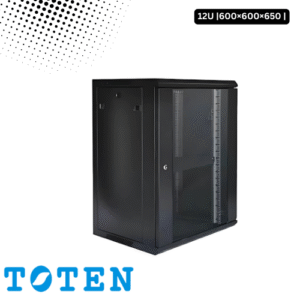
Toten 12U Server Rack 600×600×650
৳ 12,000.00
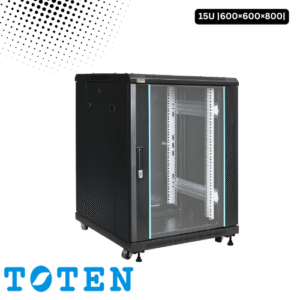
Toten 15U Server Rack 600x600x800
৳ 14,800.00
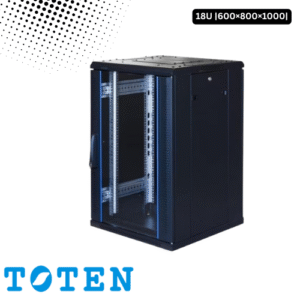
Toten 18U Server Rack 600x800x1000
৳ 24,000.00